Understanding psychological triggers in casino gambling behavior
The Role of Emotion in Gambling
Emotions play a crucial role in gambling behavior, as they can significantly influence decision-making processes. For many players, the excitement of potential wins and the thrill of risk-taking create a powerful emotional experience that can lead to repeated gambling activities. The euphoric feeling associated with winning often reinforces the behavior, making individuals more likely to return to the casino in search of that same high. Additionally, some enthusiasts are drawn to online platforms, such as bitcoin casinos, which offer distinct advantages and experiences.

Conversely, negative emotions such as stress or anxiety can also trigger gambling behavior. Some individuals turn to casinos as a means of escape, seeking solace in the distraction of games and the possibility of financial relief. This emotional connection to gambling can lead to problematic behaviors when individuals use it as a coping mechanism rather than a form of entertainment.
The Influence of Environment
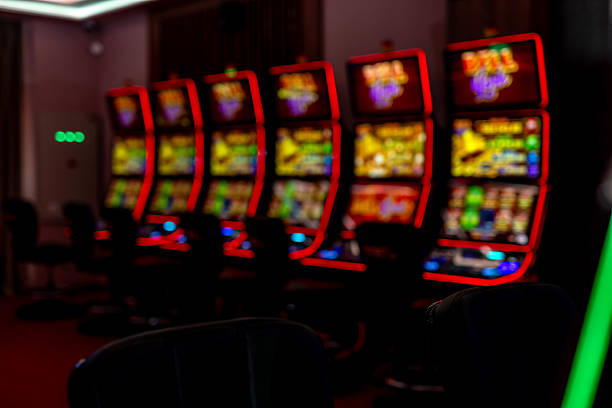
The environment within a casino is meticulously crafted to enhance psychological triggers that compel patrons to gamble. Bright lights, engaging sounds, and the absence of clocks are designed to create an immersive experience that captures the senses. This environment can lead to a disconnection from reality, making it easier for individuals to lose track of time and money spent while pursuing the thrill of gambling.
Moreover, the social aspect of casinos can amplify gambling behavior. Interacting with other players can create a sense of community and shared excitement, encouraging individuals to continue playing. This social reinforcement can intensify the desire to participate in gambling activities, sometimes leading to excessive behaviors.
Risk and Reward Psychology
The psychology of risk and reward is a fundamental aspect of gambling behavior. Players are often drawn to the potential for significant rewards, which can overshadow the risks involved. The concept of ‘near misses,’ where players come close to winning but ultimately lose, can further entice individuals to keep playing. This phenomenon taps into the brain’s reward system, making it difficult for players to walk away despite financial losses.
The Role of Cognitive Biases
Cognitive biases also play a significant role in shaping gambling behavior. Many gamblers exhibit the ‘gambler’s fallacy,’ which is the belief that past outcomes can influence future results. This flawed thinking can lead individuals to make irrational bets, believing they are due for a win after a series of losses. Such biases can distort perceptions of luck and probability, reinforcing the desire to gamble despite contrary evidence.
Connecting with the Audience
Understanding the psychological triggers in casino gambling behavior is essential for both players and operators. By recognizing these triggers, players can make informed decisions about their gambling habits, potentially reducing the risk of developing problematic behaviors. Education about emotional influences, environmental factors, and cognitive biases can empower individuals to approach gambling as a form of entertainment rather than a necessity.
For operators, creating a responsible gambling environment that acknowledges these psychological factors can enhance player well-being. Promoting resources for safe gambling practices and providing support for those struggling with addiction is vital in fostering a healthier relationship with gambling. Engaging with audiences through informative content can help raise awareness and promote responsible gaming practices.