The psychology behind risk-taking in gambling Understanding emotional triggers and decision-making processes
The Nature of Risk-Taking in Gambling
Risk-taking is an inherent part of human behavior, deeply rooted in our psychology. In gambling, individuals often face the tension between potential rewards and losses, which can trigger a range of emotional responses. The thrill of the game draws many players in, as they seek not only financial gain but also the excitement associated with uncertainty. Many prefer activities like poker online real money due to the blend of adrenaline and anticipation that forms the core of the gambling experience.
Understanding why people engage in risky behaviors in gambling can be linked to evolutionary psychology. Risk-taking may have historically provided survival advantages, enabling individuals to secure resources. In modern contexts, such as casinos or online gaming platforms, this instinct manifests in the willingness to wager significant amounts, driven by both the hope of winning and the allure of risking something for a potential greater reward.
Emotional Triggers and Their Impact
Emotions play a pivotal role in decision-making processes, especially in gambling scenarios. Joy, excitement, fear, and anxiety can influence how individuals approach betting. For instance, the euphoric feeling associated with a win can reinforce a gambler’s behavior, making them more likely to take risks again. Conversely, losses can lead to emotional distress, pushing individuals into a cycle of chasing their losses in hopes of a turnaround.
Moreover, cognitive biases, such as the illusion of control and gambler’s fallacy, further amplify emotional triggers. Gamblers often believe they can influence random events, leading to overconfidence in their decisions. This emotional interplay can result in irrational betting patterns, highlighting the need to understand psychological influences in gambling to mitigate potential negative outcomes.
The Role of Social Influences
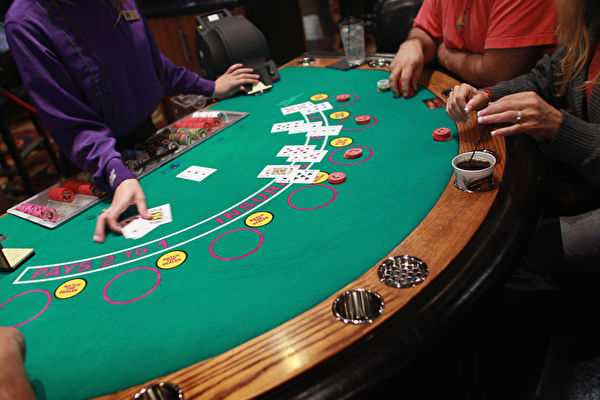
Social dynamics significantly affect risk-taking behavior in gambling. Group settings, such as casinos or sports betting events, can amplify emotions and alter decision-making processes. The presence of peers can heighten excitement and urgency, encouraging individuals to take bolder risks. Social pressure can lead gamblers to act against their better judgment, driven by a desire for acceptance or approval within their social circles.
Additionally, social learning theory suggests that individuals often mimic the behaviors of others, especially those who display confidence in their gambling strategies. Observing others win can motivate individuals to engage in riskier bets, hoping for similar outcomes. This social component adds another layer of complexity to the psychology of gambling, emphasizing the importance of understanding external influences on risk-taking behavior.
Decision-Making Processes Under Stress
The decision-making process in gambling can be profoundly impacted by stress and emotional arousal. High-stakes situations can trigger a fight-or-flight response, clouding judgment and leading to impulsive choices. This heightened state of emotion can override rational thinking, causing gamblers to overlook the odds and make decisions based on immediate feelings rather than careful analysis.
Research indicates that individuals under stress are more likely to favor immediate rewards over long-term benefits. In gambling, this often results in hasty bets or the continuation of play despite significant losses. Understanding this psychological dynamic is crucial for both gamblers and those seeking to support responsible gambling practices, as it highlights the need for awareness of emotional states during gambling activities.
About Our Website
Our platform is dedicated to enhancing your understanding of gambling through real-time updates, analysis, and expert insights. We prioritize not only providing information but also ensuring a secure and engaging experience for our users. By focusing on the emotional and psychological aspects of gambling, we aim to empower individuals to make informed decisions.
We recognize the importance of responsible gambling and strive to create a community that promotes safe practices. Our resources are designed to help users understand the complexities of gambling behaviors and the psychological factors at play, providing valuable information for both novice and experienced gamblers alike.